Our blog
Insights That Shape Your Immigration Journey
Explore expert articles, case studies, and success stories tailored for high-achieving professionals and founders pursuing US work visas and green cards.
H1-B
Lost the H-1B Lottery? Here's What Actually Works for Indian Professionals in 2026.
Unni Krishnan
11 May 2026
O-1A
You Don't Need a Nobel Prize to Get the O-1 Visa. Here's How.
Thushaanth Basker
08 May 2026
EB-1A
The National Interest Waiver: Your Path to a U.S. Green Card Without an Employer
Sasikumar Suresh
06 May 2026

O-1A
O-1 Visa vs NIW Green Card: Key Differences in Eligibility, Processing Time, and Long-Term Strategy
Among high-skilled professionals who consider the U.S. immigration opportunities, the O-1 visa and the EB-2 National Interest Waiver (NIW) tend to become two of the most topical merit-based options.
Shalini
10 Apr 2026
General
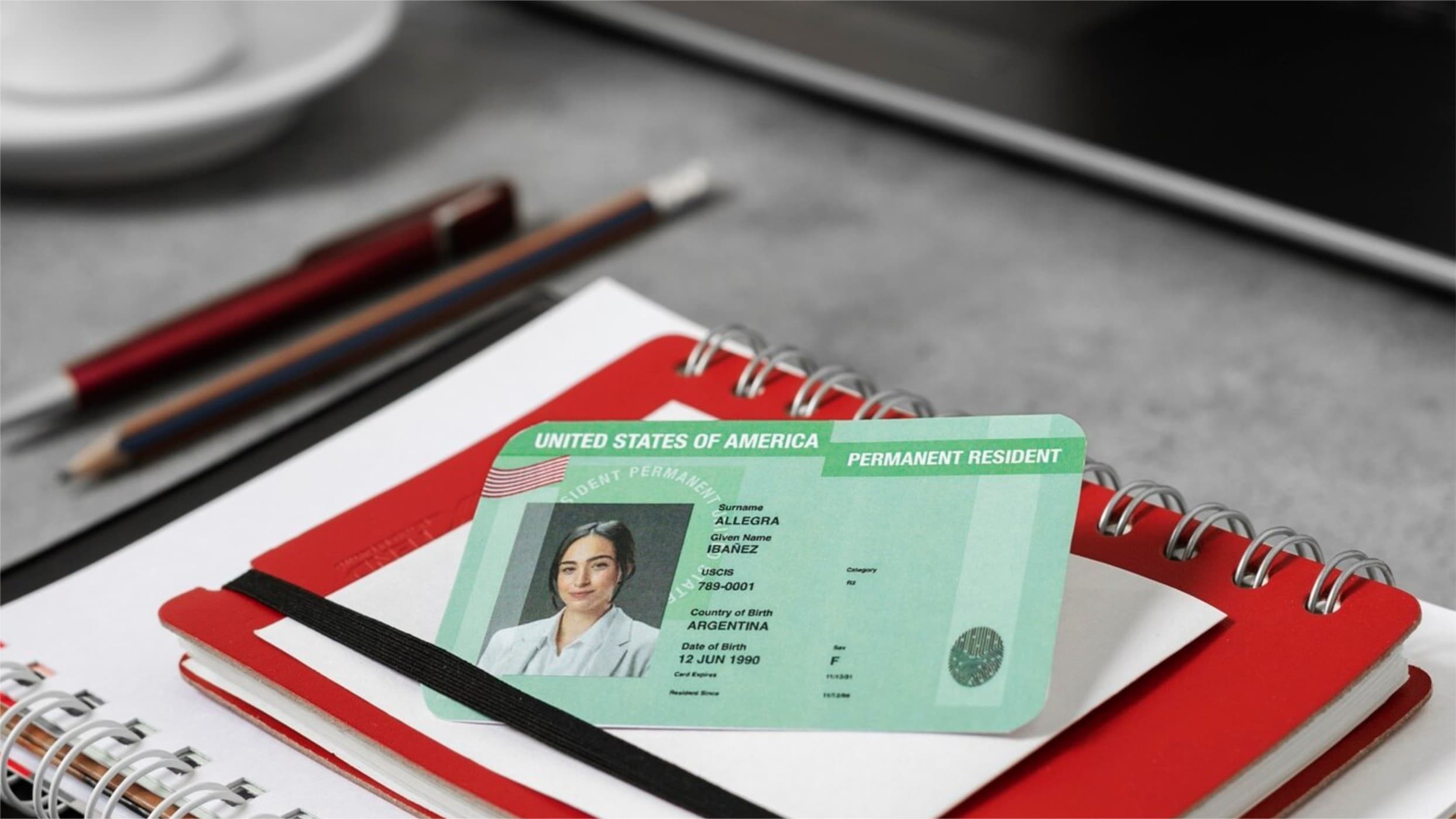
USCIS Updates Filing Procedures for Form I-140: Policy Shifts, Compliance Expectations, and Practical Implications (2026)
Changes and updates are the only unchanged aspects in USCIS. Coming in this line, is the USCIS Form I-140 update Form I-140 (Immigrant Petition for Alien Worker) is the central adjudicative stage in the U.S. employment-based immigration framework. It is at this stage that eligibility is formally established across EB-1, EB-2 (including National Interest Waiver), and EB-3 classifications.
Shalini
07 Apr 2026

EB-1A
How to Apply for an EB-1A Green Card: Step-by-Step Process, Requirements, and Strategy (2026 Guide)
Many professionals approach the EB-1A green card with a simple assumption: “If I meet the criteria, I can apply and get approved.” In practice, the EB-1A process is more complex. While the category allows individuals to self-petition based on extraordinary ability, approval is not based on meeting minimum thresholds alone. It depends on how clearly your profile demonstrates impact, recognition, and sustained contribution. This distinction is important.
Shalini
03 Apr 2026
.jpg&w=3840&q=75)
O-1A
O-1 Visa: How Top Talent Can Secure U.S. Immigration Without the H-1B Lottery
For the most skilled immigrants, the immigration process in the U.S. starts with a paradox. You can be a very experienced professional, have influential work, and work on high-value projects, but your job placement in the U.S. can still be a lottery. The H-1B system has 85,000 slots each year; however, demand always outstrips this number by far. There is no merit-based selection. It is based on probability. This detachment is the factor that drives most professionals to seek alternative avenues.
Shalini
30 Mar 2026

EB-1A
EB-1A Green Card: Is It the Fastest Path to U.S. Immigration in 2026?
For many professionals planning U.S. immigration, the question often starts with: “What is the fastest way to get a green card?” The reality is more complex. The U.S. grants approximately 140,000 employment-based green cards annually, and each country is limited to at most 7 percent of the total quota, which is about 9,800 green cards annually. In high-demand nations such as India, this creates a structural backlog, with even successful applicants waiting years before a visa becomes available.
Shalini
25 Mar 2026

NIW Green Card
Is the NIW Green Card Right for You? A Guide for Exceptional Professionals
For a lot of professionals exploring the immigration process in the U.S., it seems as though it is connected to a single constant, which is the process of employer sponsorship. A job offer, a PERM process, and then a long wait tied to visa availability.
Shalini
23 Mar 2026